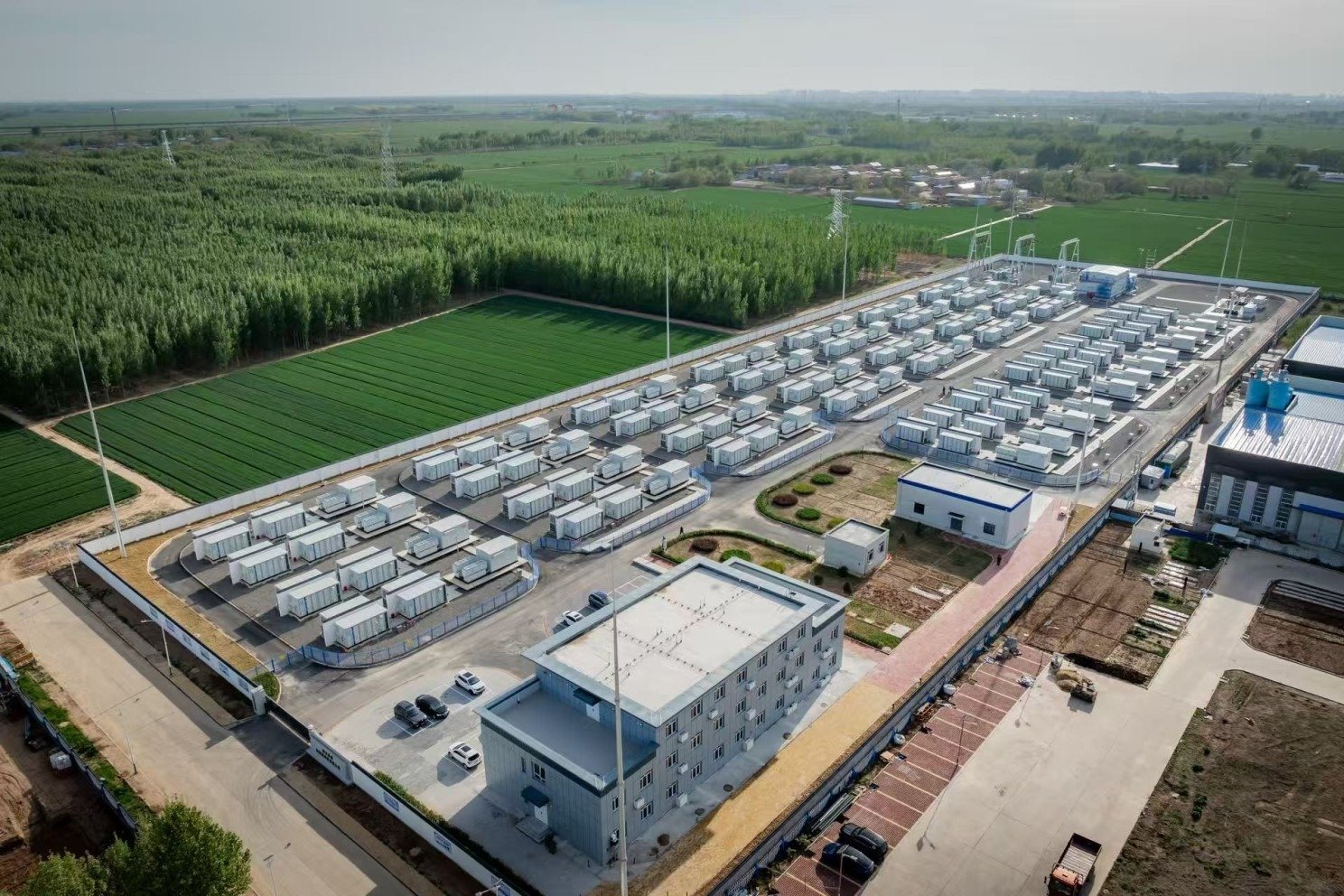
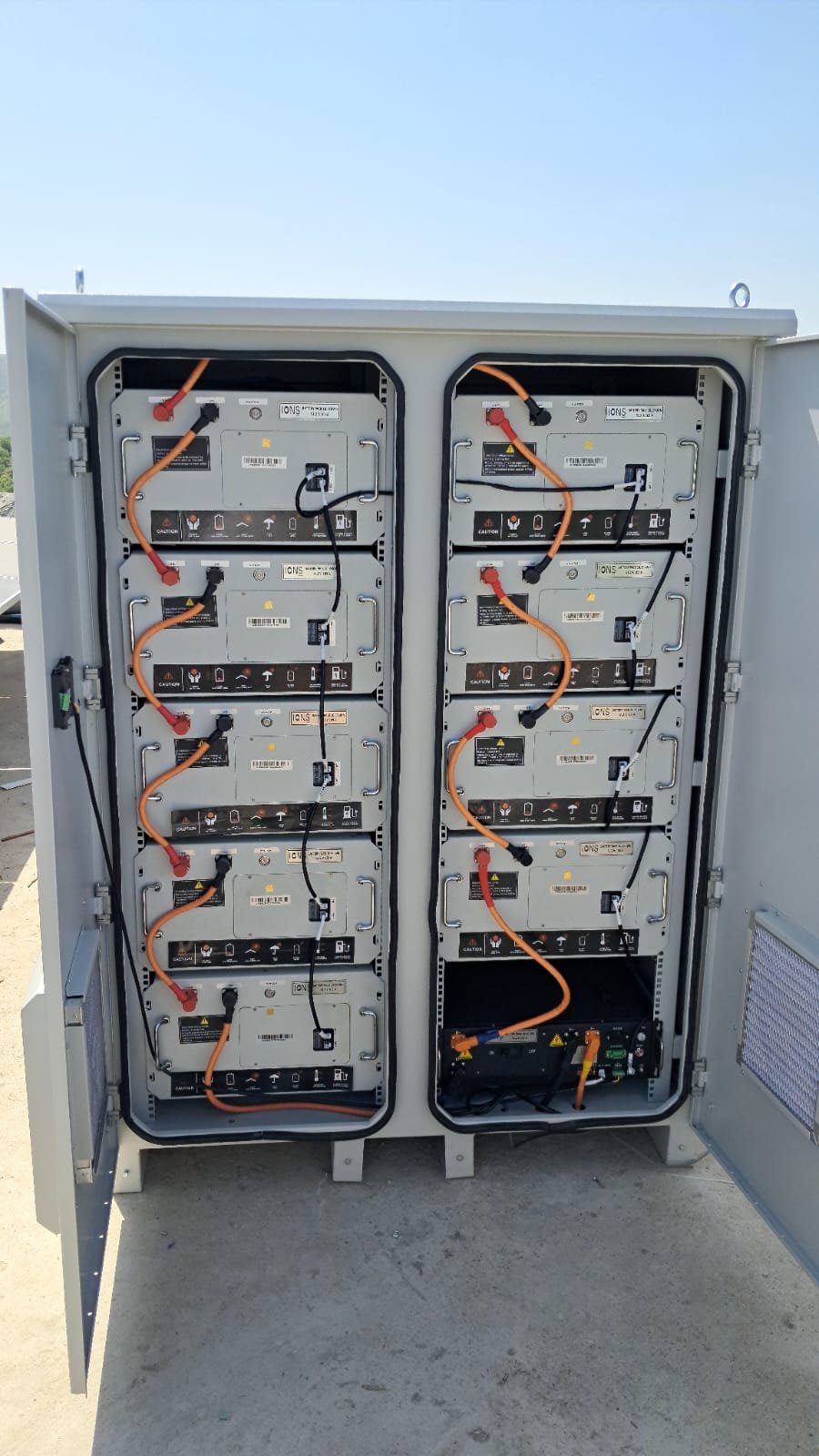
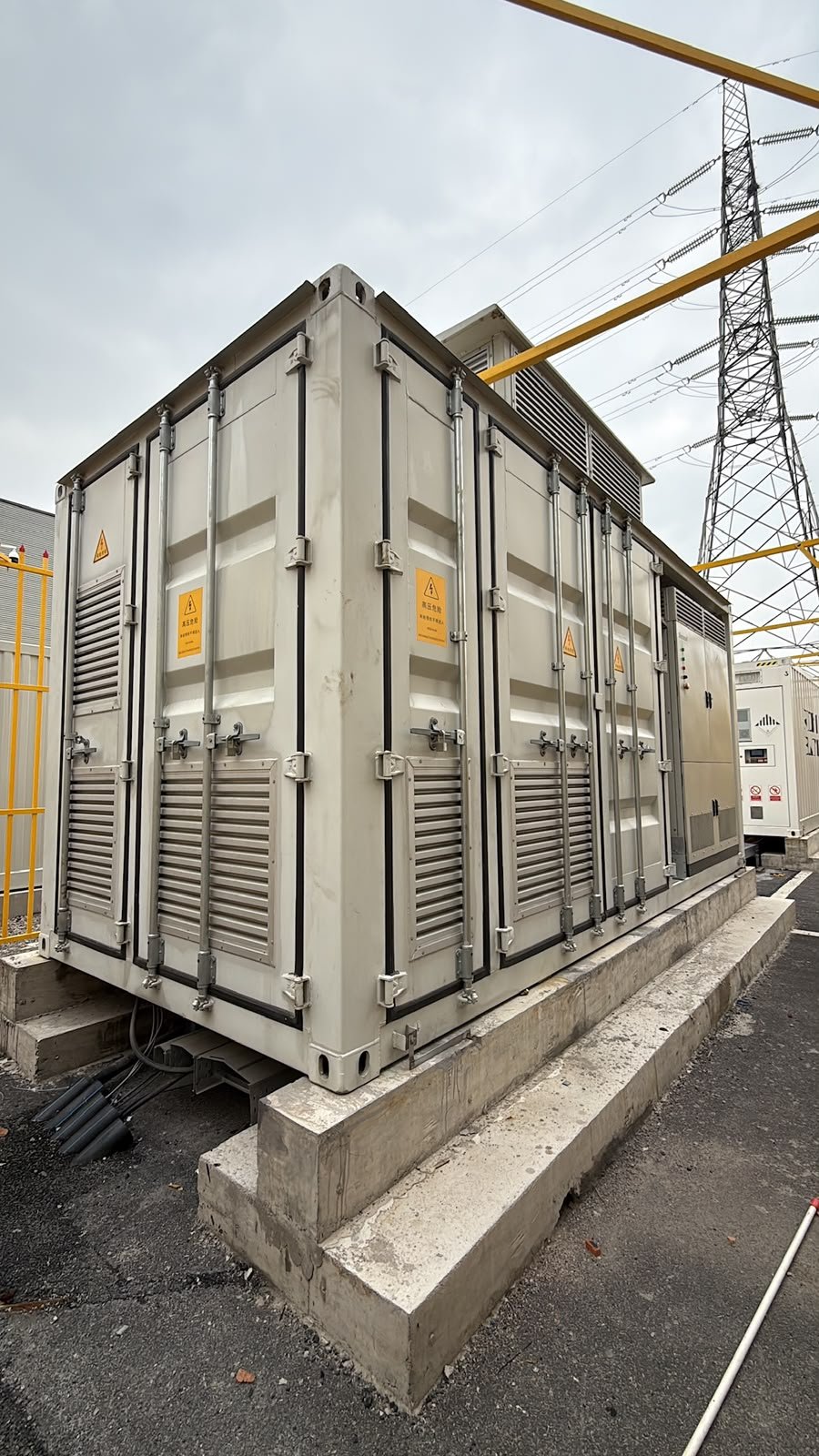
From 50 kW commercial installations to multi-megawatt grid-scale deployments — we design, procure, and deliver bespoke BESS and solar solutions engineered for the specific technical, regulatory, and climatic conditions of your project site.
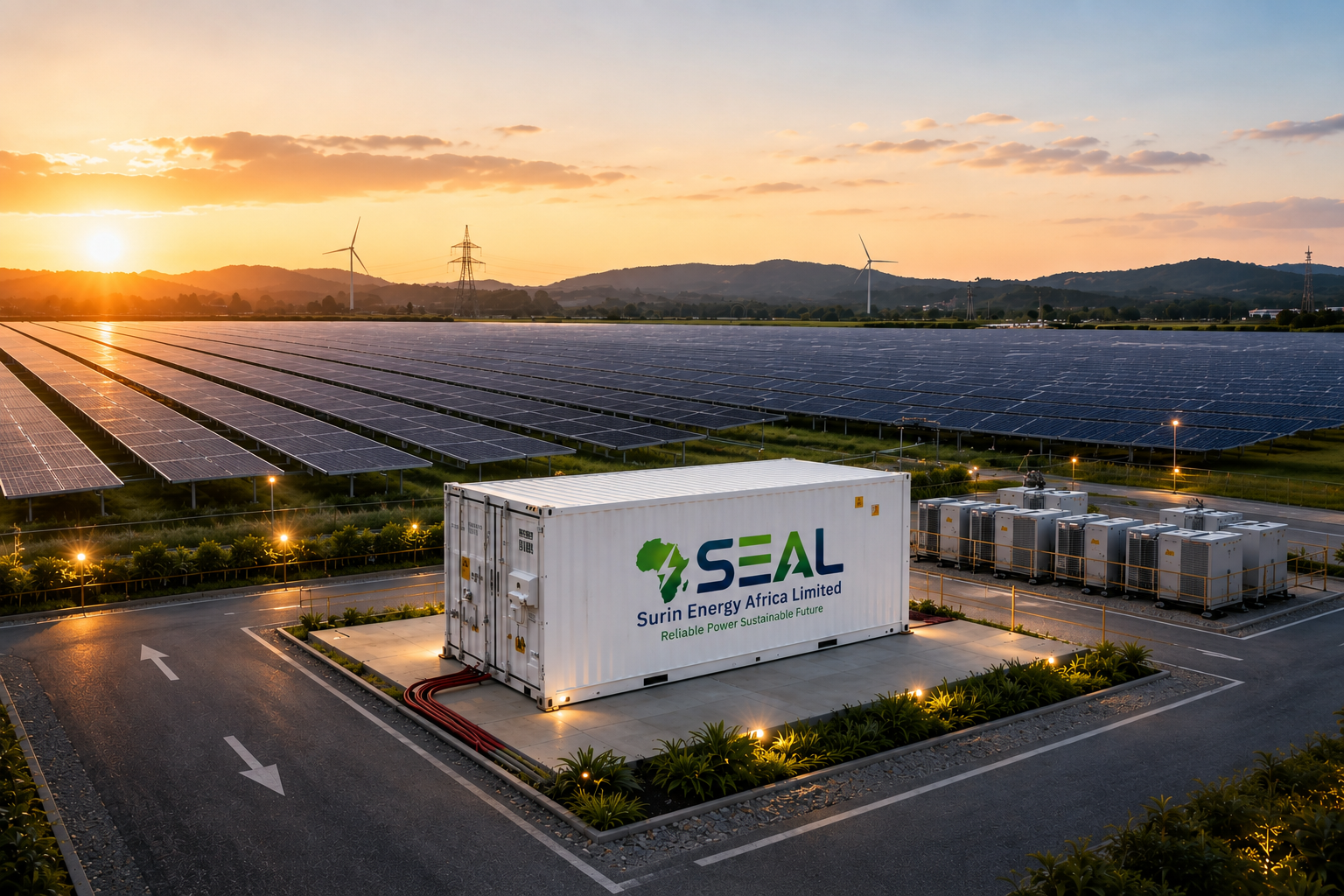
Our engineering and procurement capabilities span three distinct project scales — each with its own technical requirements, regulatory frameworks, and delivery methodologies.
Four distinct project categories, each with purpose-built engineering standards, component selection, and commissioning protocols.
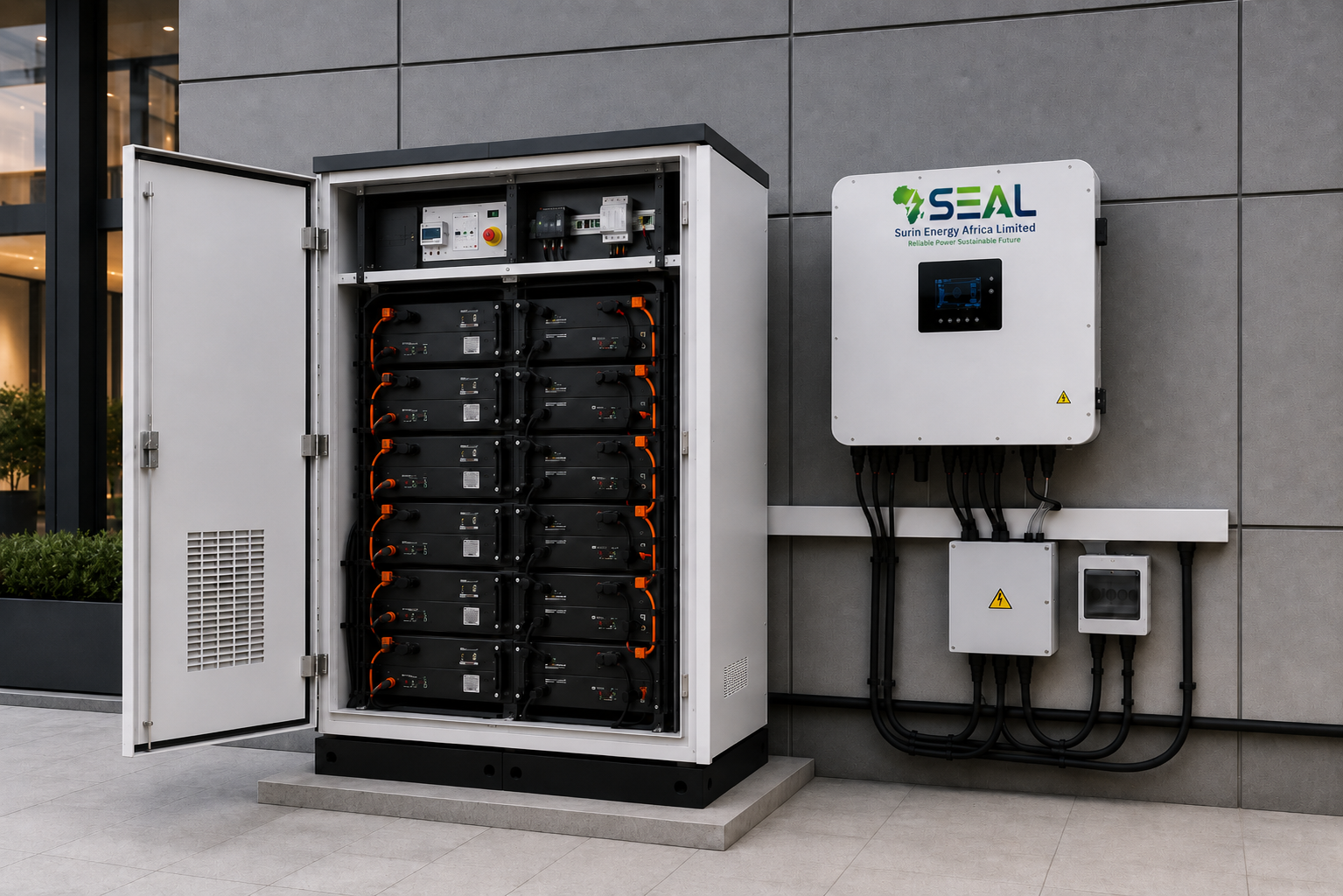
50 kW – 1 MW
On-site solar PV and BESS installations for commercial and industrial facilities. Designed to reduce demand charges through peak shaving, provide uninterruptible power supply (UPS) for critical operations, and offset grid dependency through self-consumption optimisation and time-of-use arbitrage.
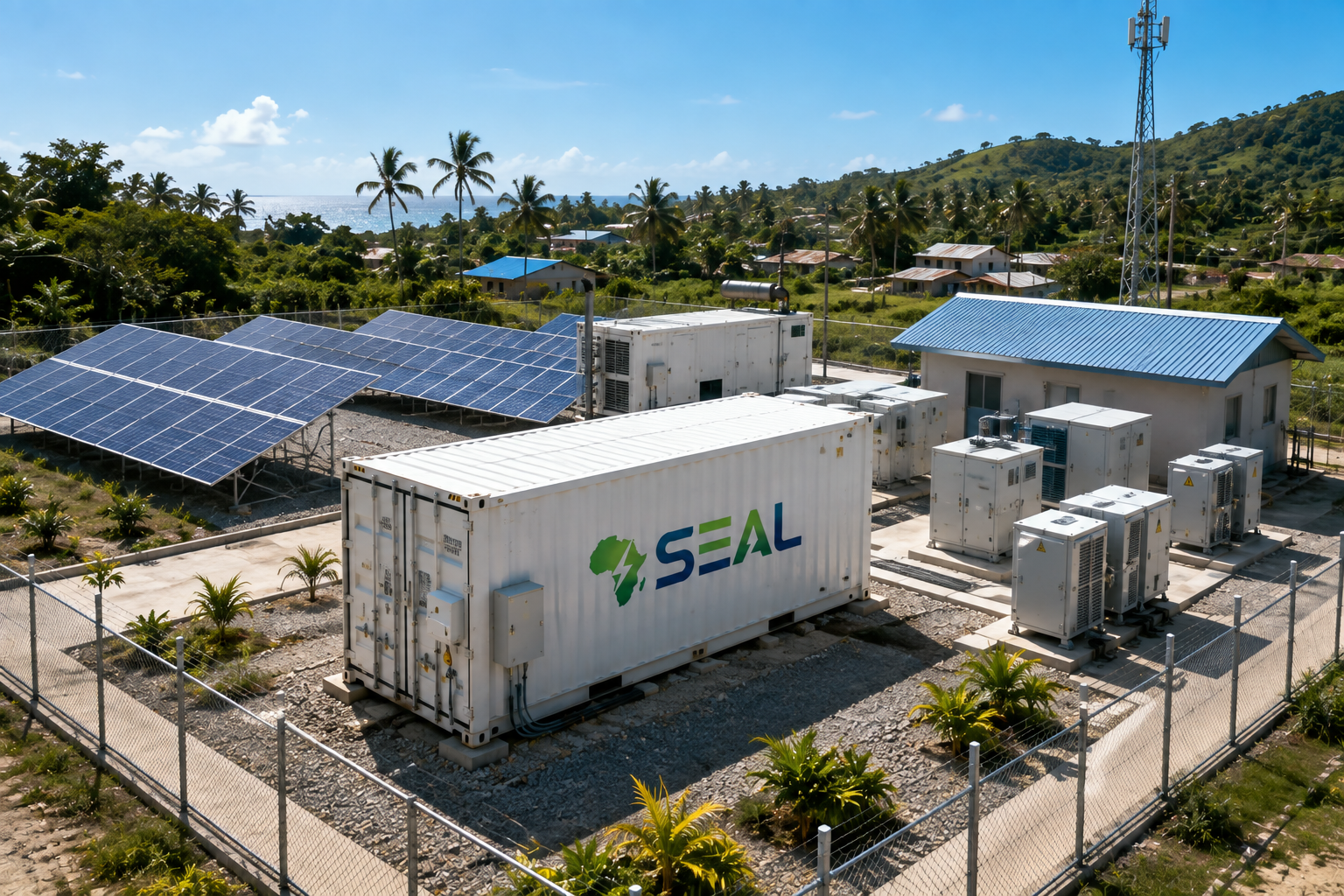
100 kW – 5 MW
Self-contained power generation and distribution networks serving communities, industrial zones, or institutional campuses without dependence on the central utility grid. Typically solar-BESS hybrid with optional diesel genset integration for N+1 redundancy. Includes low-voltage distribution, metering infrastructure, and remote monitoring via SCADA.
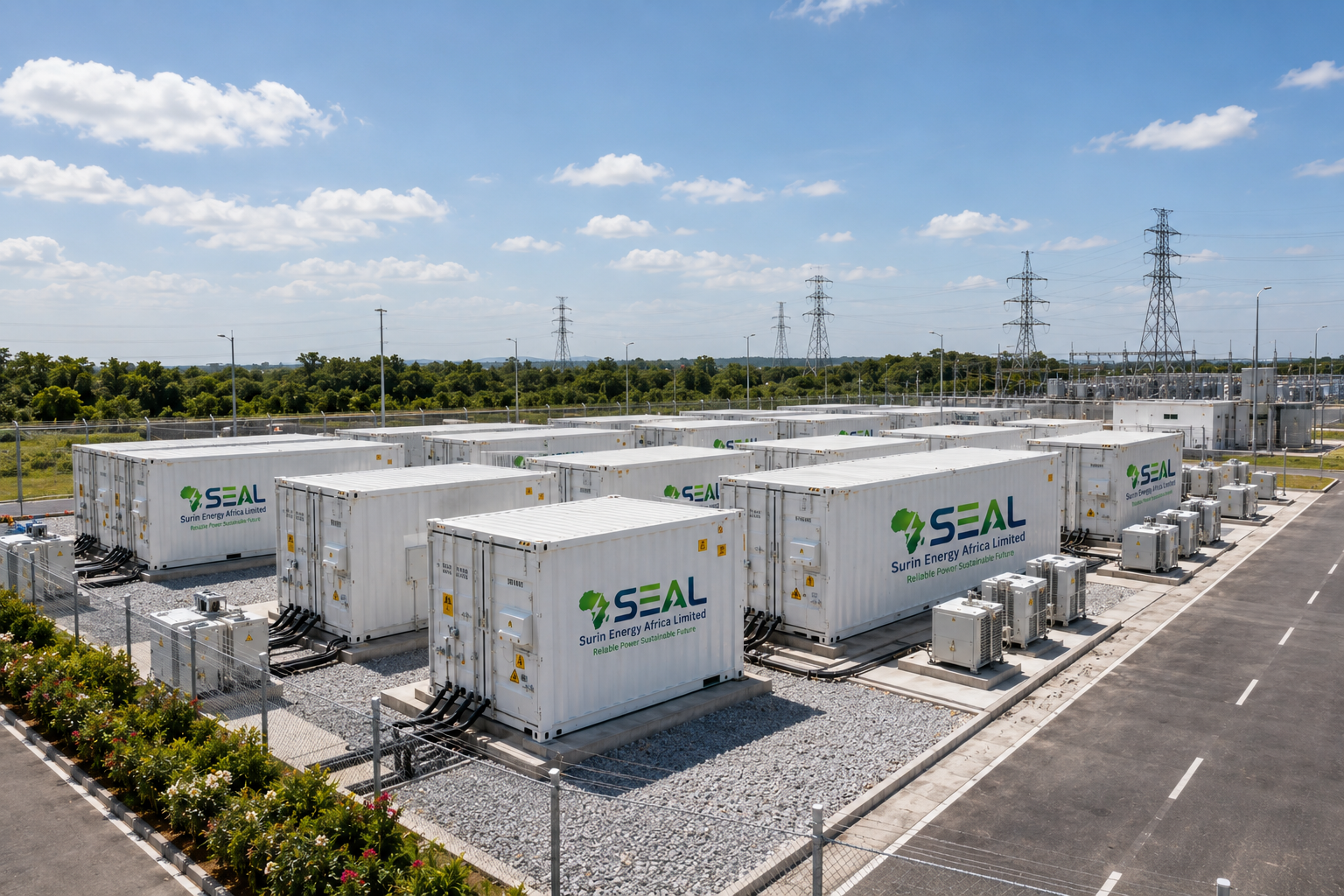
1 MW – 100+ MW
Standalone or co-located battery energy storage systems connected at the transmission or distribution level. Provides grid services including frequency regulation, spinning reserve, renewable energy firming, and load shifting. Deployed in containerised modules with integrated thermal management, fire suppression, and grid-forming inverter capability.
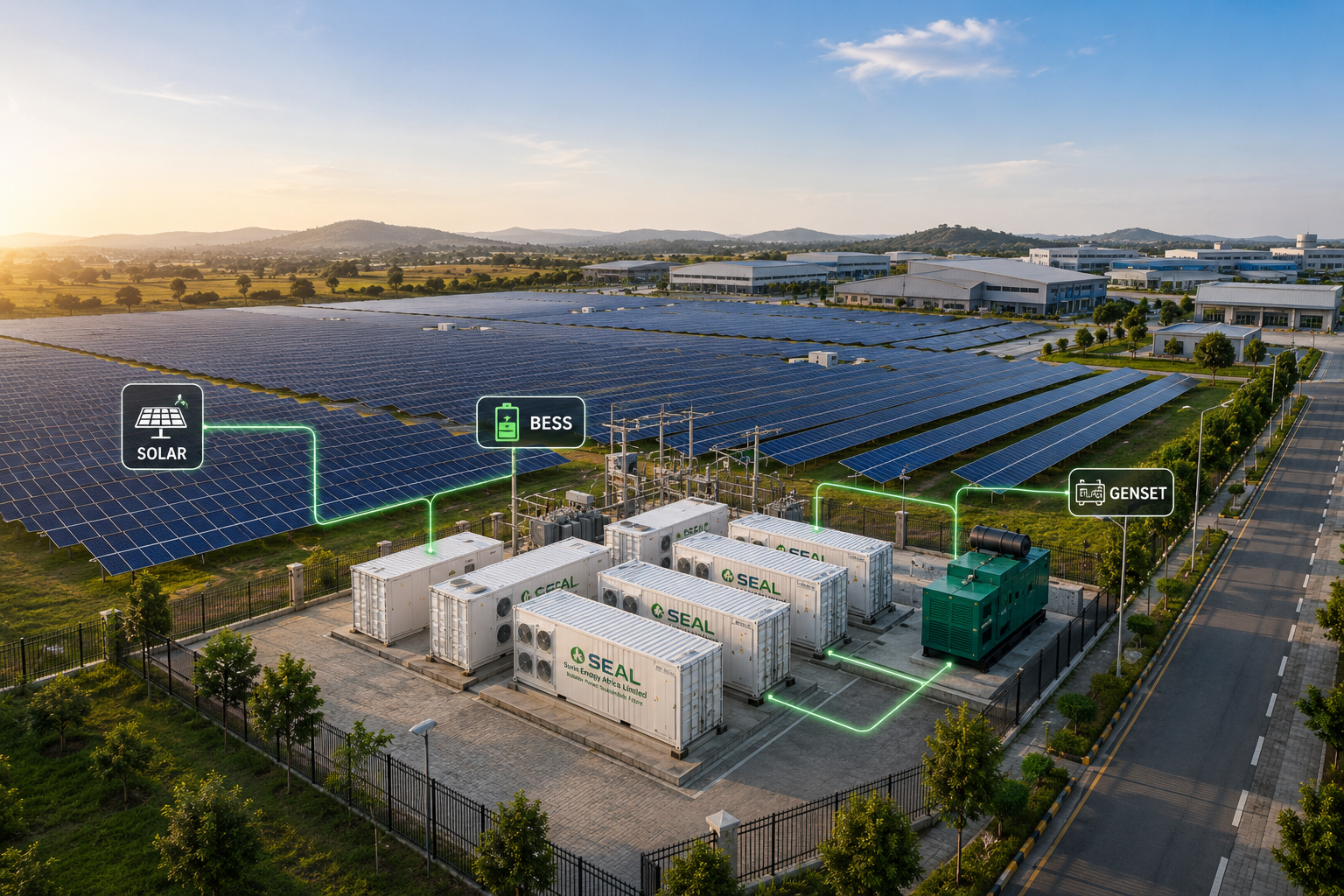
500 kW – 20+ MW
Integrated generation assets combining solar PV, battery storage, and diesel or gas gensets under a unified energy management system (EMS). The EMS orchestrates dispatch priority — solar first, BESS second, genset as last resort — to minimise fuel consumption and carbon emissions while maintaining N+1 reliability for mission-critical loads.
Every large-scale deployment is delivered under a single EPC contract — from feasibility through to commissioning and performance guarantee.
Site assessment, solar resource analysis (GHI/DNI), geotechnical survey coordination, grid interconnection studies, and preliminary system sizing. Delivered as a bankable feasibility report suitable for investor or lender due diligence.
Single-line diagrams, DC/AC system architecture, string design, BESS rack configuration, thermal modelling, protection coordination studies, and complete bill of materials with approved vendor list.
Direct manufacturer relationships for panels, inverters, BESS modules, and BoS components. Consolidated international shipping, customs clearance, bonded warehousing, and last-mile delivery to site — managed end-to-end across African markets.
Civil works, structural mounting, electrical installation, BESS containerisation, MV/HV switchgear, transformer commissioning, cable trenching, and earthing/grounding systems. Managed by on-site project engineers against a master schedule.
Factory acceptance testing (FAT), site acceptance testing (SAT), protection relay testing, grid synchronisation, anti-islanding verification, and performance ratio validation against guaranteed targets. Includes utility interconnection application support.
Long-term operation and maintenance contracts with SCADA-based remote monitoring, degradation tracking, inverter fleet management, and preventive maintenance schedules. Performance guaranteed against contractual KPIs.
A structured, transparent project lifecycle with clear milestones, decision gates, and deliverables at every stage.
Initial consultation to define project objectives, site constraints, load profile, budget envelope, and timeline. Output: scope-of-work document and indicative system architecture.
On-site or remote survey, solar resource analysis, grid interconnection review, geotechnical assessment, and regulatory landscape mapping. Output: bankable feasibility report.
FEED-level engineering, component selection, bill of materials, financial modelling (LCOE, payback, IRR), and firm commercial proposal with performance guarantees. Decision gate: contract award.
Purchase orders placed with approved manufacturers, production monitoring, factory acceptance testing, shipping coordination, and customs facilitation. Typical lead time: 8–16 weeks depending on scale.
Mobilisation, civil and structural works, electrical installation, BESS deployment, inverter and switchgear commissioning, and cable termination. Managed against a CPM schedule with weekly progress reporting.
System testing, grid synchronisation, protection verification, performance ratio measurement, operator training, and final documentation handover including as-built drawings and O&M manuals.
Whether you have a fully defined RFP or an early-stage concept, our engineering team can help translate your power requirements into a bankable, deliverable solution — anywhere in Africa or globally.